Registration Closes March 15, 2026.
2026 Parisi Speed School Summit
March 27-29
Fair Lawn, NJ
REGISTER NOW
The Annual Parisi Summit is the most impactful three days of the year for coaches and owners in our network. Whether you’re focused on coaching excellence, business growth, or team success, this is where it all comes together.
📚 Continued Education That Elevates Your Coaching
Dive deeper into the Parisi system with expert-led sessions like Anatomy of Speed, Fascia Performance & Rehab, and sport science-driven presentations. Learn practical, evidence-based strategies you can immediately apply to your programs, from movement mechanics to advanced training methods that help athletes perform at their best.
🔥 Motivation to Fuel Your Passion
There’s something powerful about stepping into a room full of people who share your mission: to develop athletes, grow programs, and make an impact. From keynote talks to collaborative roundtables, you’ll return to your facility inspired, energized, and ready to elevate your purpose.
💪 Team Building for Staff & Leaders
Summit sessions encourage teamwork, unified coaching standards, and shared understanding of Parisi programming, culture, and mission. Strengthen your internal alignment so your entire team moves forward together.
📈 Business Best Practices You Can Use Now
The Summit’s business track offers industry-specific insights on growth, marketing, revenue strategies, AI integration, and operational excellence. Learn from successful Parisi owners, leaders, and expert speakers who share real-world systems and ideas for elevating your business.
🎉 Celebrate Success & Parisi Pride
Cap off each day with community social events and the Annual Awards Banquet, where we honor achievement, perseverance, and the impact you’re making in your community. These moments reinforce what it means to be part of Parisi Nation.
Travel Information
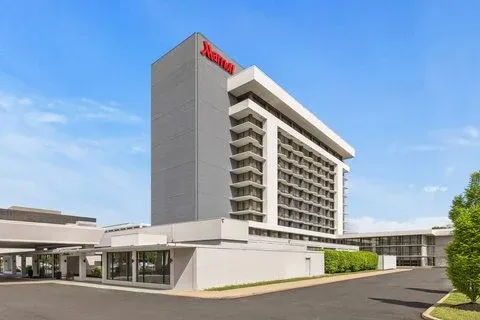
Marriott Saddle Brook
138 New Pehle Ave, Saddle Brook, NJ 07663
$129/night + taxes until February 28, 2026
Last day to book at discount rate is February 28, 2026.
Agenda
This event features three tracks: Anatomy of Speed Certification, Fascia Performance & Rehab Summit, and Parisi Business. In order to qualify for Certification, all Anatomy of Speed presentations must be attended.
Agenda subject to change.
Track 1: Anatomy of Speed Certification
Track 2: Parisi Business
Track 3: Fascia Performance & Rehab Summit
Keynote Presenters
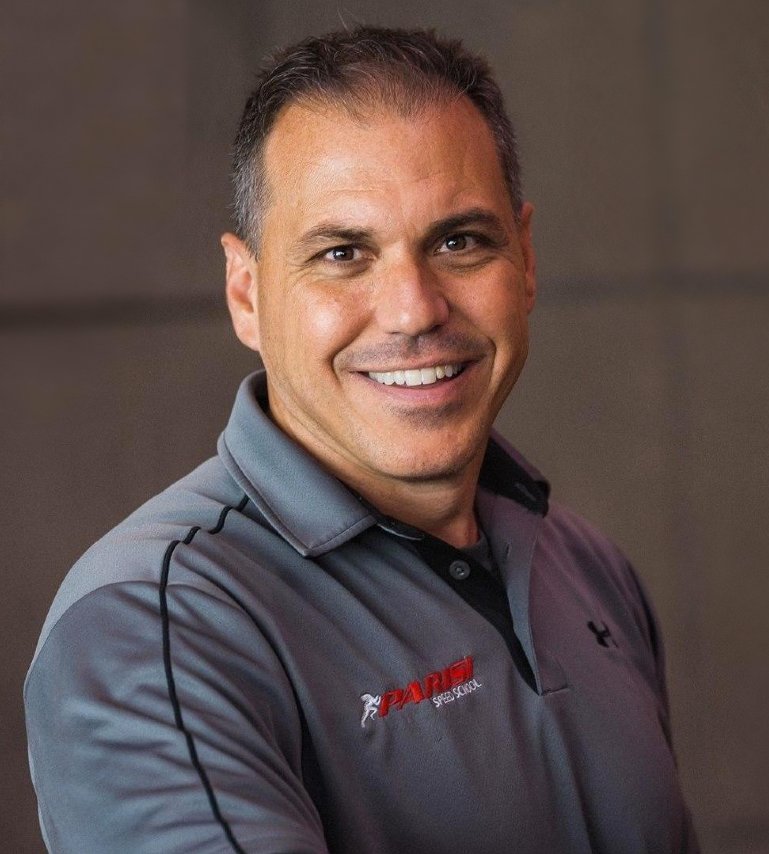
Bill Parisi
- Founder and CEO of Parisi Speed School, with 100+ licensed locations worldwide and over 1,000 certified coaches
- Author of Anatomy of Speed; Coauthor of Fascia Training in Application and Fascia Training: A Whole-System Approach
The Fascia-First Performance Blueprint: From Assessment → Correction → Elastic Power
In this high-energy 90-minute session, Tom and Bill combine functional neurology, biotensegrity principles, and fascial activation science to deliver a repeatable progression that transforms the way coaches and clinicians assess and prepare the body.
Participants will learn how to use the SAM Scan to uncover asymmetries, restrictions, and neurofascial imbalances in under three minutes—and how to immediately correct them using targeted ground-up drills that reset the nervous system and restore joint centration. The session then flows seamlessly into Bill Parisi’s Dynamic Fascial Activation Warm-Up, where attendees will experience firsthand how fascia-driven elasticity, tensioning, and directional loading create superior readiness, faster athletes, and more resilient movers.
The workshop culminates with the Fascia-First Biotensegrity Experience, where Bill and Tom coach participants through YOO Isometrics (Yielding, Overcoming & Oscillatory) to build joint health, elastic efficiency, and explosive power—the qualities most essential for long-term durability and high performance.
This session is personalized, neurological, and measurable—giving every coach, trainer, and clinician a competitive edge.
By the end of this session, participants will be able to:
- Identify neurofascial imbalances, movement restrictions, and asymmetries using the SAM Scan assessment in under three minutes.
- Explain how biotensegrity, fascia-driven mechanics, and neuromotor control contribute to movement quality, durability, and high-performance output.
- Apply targeted ground-up corrective drills to restore joint centration, improve proprioception, and rebalance the fascial system prior to training.
- Demonstrate the principles of the Parisi Dynamic Fascial Activation Warm-Up to enhance elasticity, readiness, and whole-body integration.
- Perform YOO Isometric strategies (Yielding, Overcoming & Oscillatory) to develop joint stability, elastic recoil, and power expression.
- Design a progressive assessment → correction → activation sequence that improves session quality, reduces injury risk, and elevates athlete and client performance.

Tom Swales, MPT, ATC, AMT, FCAMPT, CSCS
Tom Swales is a physiotherapist, strength coach, and creator of the Advanced Movement Therapist (AMT) System, a fast-growing education platform used by clinicians across the world who want to elevate their rehab and performance results. With over two decades of hands-on experience working with Olympic and professional athletes as well as everyday movers, Tom is known for blending human movement, neurology, and practical coaching into strategies that make people stronger, more resilient, and pain-free.
As co-owner of COMPHYSIO+ Performance Wellness, Tom leads an interdisciplinary team focused on movement-first care and innovative technologies that shape the future of rehab. He’s also the host of the “Staying Relevant: The Future of Rehab & Performance” podcast, where he interviews top performers and explores what it takes to grow, adapt, and lead in a rapidly evolving field.
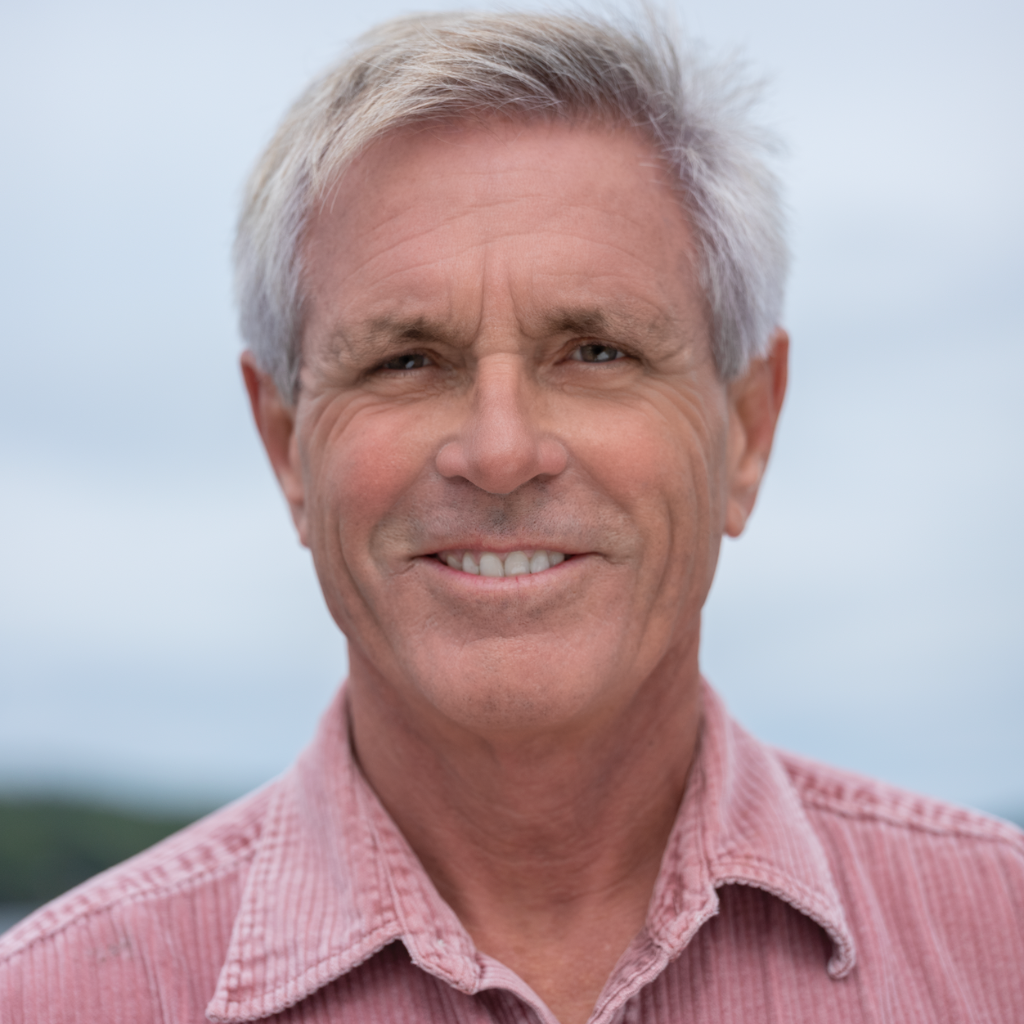
Tom Myers
-
Founder and Author of Anatomy Trains
BodyReading Myofascial Patterns
Take your global postural pattern skills to the next level! This workshop will help you see the skeleton inside your clients. When you can put together the tilts and rotations that are part of a client’s habitual movement, you can use training, targeted stretching, or soft-tissue work to unwind the strain patterns that lead to pain, dysfunction and less-than-optimal movement.
Enhance your intuitive skills with an effective tool to map soft tissue pattern, then create strategies to progressively liberate your client’s movement range or stability.
BodyReading is useful for any bodywork practitioner, movement professionals and personal trainers – providing the information needed to deliver effective treatments and programs to create long-lasting, systemic change in clients’ shape and structure.
By the end of this session, participants will be able to:
- Identify key global postural patterns, including common skeletal tilts and rotations, through systematic visual assessment.
- Assess soft-tissue strain patterns and myofascial continuities that contribute to movement limitations, pain, or dysfunction.
- Interpret BodyReading findings to determine whether a client requires mobility, stability, or soft-tissue intervention.
- Apply a structured BodyReading framework to develop targeted training, stretching, or manual strategies that improve functional movement.
- Design progressive programs that address identified postural patterns to create long-term, systemic improvements in client shape and structural balance.
- Demonstrate improved accuracy and consistency in visual assessment of posture and movement using BodyReading principles.

Bobby Stroupe
- Founder of Athlete Performance Enhancement Center (APEC)
- Personal trainer for Patrick Mahomes and numerous pro athletes
Proprioception and Tuning the Spinal Engine
Proprioception is the key to high-performance movement, but it’s a challenging quality to identify and train. Elite movement specialist Bobby Stroupe (who has trained Patrick Mahomes since the age of nine) explains why the neurofascial system is the superhighway for proprioception and provides functional training strategies for targeting it. Attendees will also learn how to tune the body’s “spinal engine” for increased power, stability and injury-protection.
By the end of this session, participants will be able to:
- Describe the role of the neurofascial system in proprioception, movement accuracy, and high-performance athletic output.
- Explain key mechanisms of proprioceptive processing and why it is difficult to assess and train using traditional strength or mobility methods.
- Identify movement patterns and neuromuscular indicators that reflect impaired or underdeveloped proprioceptive function.
- Apply functional training strategies that target neurofascial pathways to enhance stability, coordination, and movement efficiency.
- Assess and influence the body’s “spinal engine” to improve rotational power, dynamic stability, and injury resilience.
- Design training progressions that integrate proprioceptive development into performance, rehabilitation, and return-to-play programs.
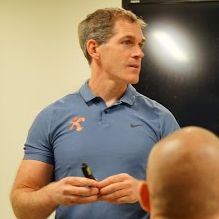
Michol Dalcourt
- Founder, ViPR Pro
- Founder, Institute of Motion (IoM)
Training the Thoracolumbar Fascia & IT Band for Health and Human Performance
The thoracolumbar fascia (TLF) and iliotibial (IT) band are two of the body’s most influential connective tissue structures—key players in stability, force transmission, locomotion, and resilience. Yet they remain widely misunderstood and often under-trained. This session demystifies their functional roles and provides a clear, practical framework for integrating TLF and IT band training into any health, fitness, or performance program.
Participants will explore foundational training guidelines for General Physical Preparedness (GPP) of these tissues—emphasizing tension management, directional loading, and multi-planar movement strategies that build durability and improve movement efficiency. We then move into a continuum of practical drills, from Anatomical Adaptation (AA) to higher-order performance sequences, showcasing how to prime the fascial system for real-world demands.
Coaches, clinicians, and practitioners will learn how to regress and progress exercises to meet the needs of diverse clients—from those requiring tissue desensitization and stability to athletes seeking elastic recoil and high-velocity expression.
Attendees will leave with a ready-to-apply toolkit for improving foundational function, enhancing performance outcomes, and developing more robust, adaptable movers through targeted TLF and IT band training.
By the end of this session, participants will be able to:
- Describe the structural and functional roles of the thoracolumbar fascia (TLF) and iliotibial (IT) band in stability, locomotion, and force transmission.
- Explain how tension management, directional loading, and multi-planar movement strategies influence the health and performance capacity of fascial tissues.
- Identify client presentations that require regression (e.g., desensitization and foundational stability) or progression (e.g., elastic recoil and high-velocity output) within TLF and IT band training.
- Apply General Physical Preparedness (GPP) principles to develop baseline durability and movement efficiency in the TLF–IT band system.
- Implement a continuum of training methods—from Anatomical Adaptation (AA) drills to advanced performance sequences—to prepare clients for real-world demands.
- Design individualized training strategies that integrate targeted TLF and IT band work to improve foundational function, enhance performance outcomes, and increase movement adaptability.
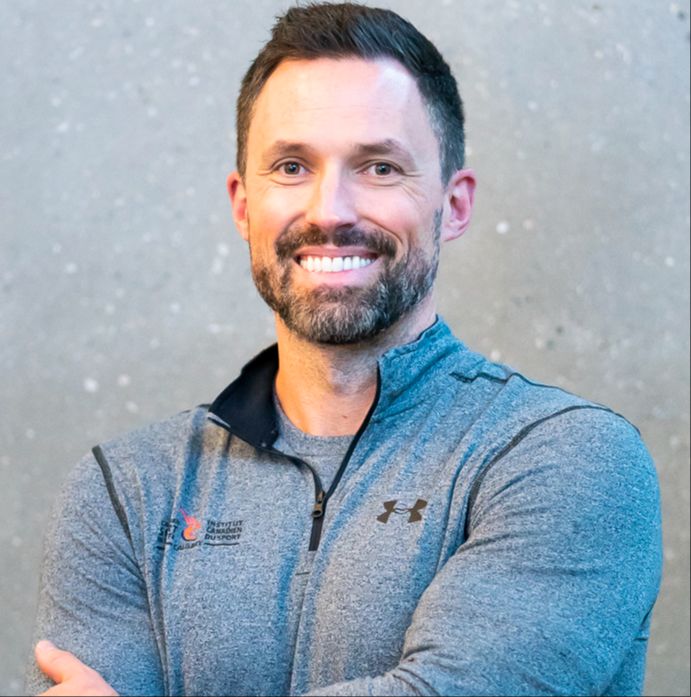
Dr. Matt Jordan
- PhD in Medical Science and a Master of Science in Exercise Physiology with a specialization in neuromuscular physiology
- Founder, Jordan Strength
Restoring the Body Spring: Fascia’s Role in Eccentric Function after ACL Injury
Fascia is a primary driver of plyometric function, rapid force capacity and reflexive eccentric ability. But an ACL injury robs athletes of these qualities. In this session, Dr. Matt Jordan explores the critical yet often overlooked role of fascia in driving the whole-body spring in relation preventing ACL injury and restoring performance readiness after ACL reconstruction . Drawing on decades of experience working with Olympic and professional athletes recovering from knee injuries, Dr. Jordan reveals how the fascial system contributes to knee stability, force transmission, and overall movement efficiency. Attendees will gain insight into how to assess the whole-body spring in relation to fascial function and how imbalances can increase injury risk and limit performance-readiness. Practical strategies to assess, train, and restore fascial function through integrated strength, mobility, and neuromuscular approaches will be explored. This presentation bridges cutting-edge research with real-world application—offering coaches and clinicians a fascia-focused framework to enhance performance and resilience in athletes returning from ACL injury.
By the end of this session, participants will be able to:
- Describe the role of the fascial system in knee stability, force transmission, and overall movement efficiency relevant to ACL injury risk and recovery.
- Explain how fascial imbalances, restrictions, or altered load-sharing patterns contribute to ACL vulnerability and delayed rehabilitation.
- Identify key assessment markers that reveal fascial dysfunction in athletes recovering from ACL injury.
- Apply integrated strategies—combining strength training, mobility work, and neuromuscular control—to restore optimal fascial function during ACL rehab.
- Implement evidence-informed training progressions that enhance resilience, reduce reinjury risk, and improve return-to-play outcomes.
- Design a fascia-focused framework for ACL prevention and rehabilitation that can be integrated into clinical and performance settings.
Chris & Ann Frederick
- Developers of Stretch to Win™ and Frederick Stretch Therapy™
- Authors of the books Stretch to Win and Fascial Stretch Therapy
Fascianetics – Comprehensive Flexibility Training for Athletes
Fas·ci·a·net·ics: fascia (“binding”) + kinetics (“motion”)
Fascia is often used as the one word for all connective tissues (bone, blood, fat, cartilage, tendons, ligaments and more) that binds everything together from the skin down to the bone and everything in between.
Kinetics is the motion of changing position.
All body structure (anatomy) and function (physiology) must work and flow with cooperation and coordination for optimal health and performance.
Fascianetics is a proven methodology of training, rehabilitation and recovery that belongs in every system of healthcare, fitness and sports, because it is often the missing link in an optimal strategy for the individual.
There are self-guided Fascianetics programs for clients, athletes and patients of all ages. And there are Fascianetics programs that certified and licensed practitioners integrate with their current level of expertise to take their results and outcomes to another level.
In this Summit with us, learn the principles of a highly efficient functional mobility and flexibility assessment and training system that quickly tunes the body’s balance of tension and compression for optimal performance using ultra-precise hands-on techniques.
Attendees will learn how to perform a 10-minute whole-body assisted mobility micro-session for clients and athletes at both the individual and group level.
By the end of this session, participants will be able to:
- Describe the foundational principles of “Fascianetics” and its approach to balancing tension and compression within the fascial system.
- Explain how ultra-precise, hands-on techniques influence functional flexibility, neuromyofascial responsiveness, and overall movement efficiency.
- Identify key indicators of fascial restriction or imbalance using the Fascianetics functional assessment process.
- Perform a structured 10-minute whole-body assisted mobility micro-session for clients or athletes in both individual and group settings.
- Apply Fascianetics principles to improve training and performance readiness, participation and competition outcomes, with faster and more complete recovery to maintain long-term movement health.
Design appropriate progressions and session applications to integrate Fascianetics into existing training, recovery, or therapeutic programs.
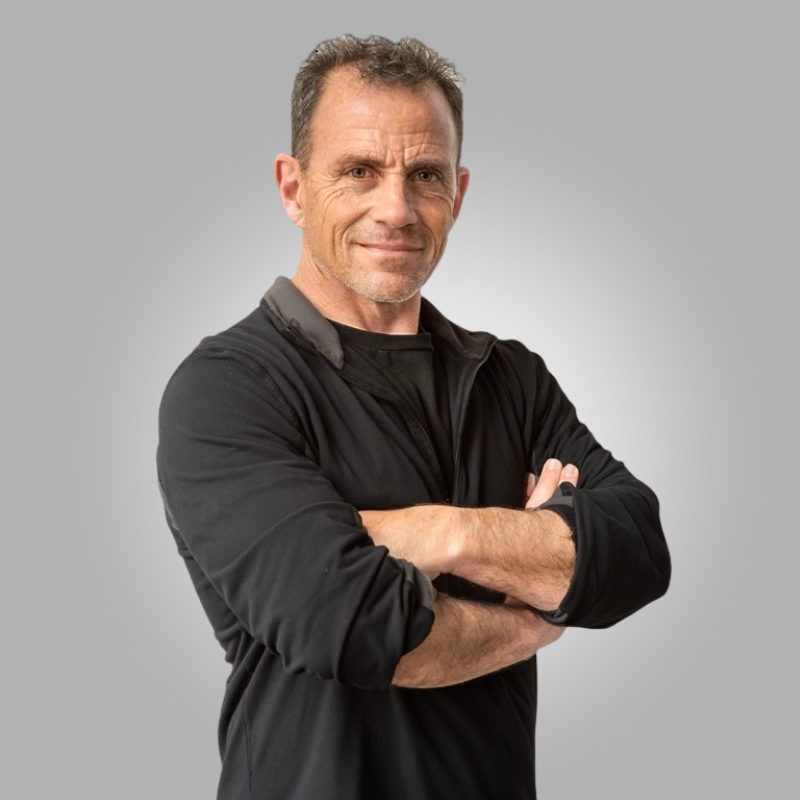
Rocky Snyder
- CEO and Performance Consultant at RockySnyder
Plantar Fascia and the Gait Cycle
Plantar Fascia and the Gait Cycle takes you on an interactive journey through the intricate dance between the foot, fascia, and full-body motion. Blending lecture with hands-on exploration, this session reveals how the plantar fascia behaves and adapts throughout the gait cycle — influencing everything from ground reaction to postural alignment up the kinetic chain. You’ll discover how movement above feeds back down to the feet, and how past injuries, surgeries, and compensations can echo through each step you take. Walk away with a deeper, more practical understanding of how to assess, restore, and optimize the foundation of human movement.
By the end of this session, participants will be able to:
- Describe the functional role of the plantar fascia throughout the gait cycle and its influence on ground reaction forces and whole-body alignment.
- Explain how movement patterns above the foot—at the knee, hip, pelvis, and trunk—affect plantar fascia loading and behavior.
- Identify gait deviations and compensatory patterns resulting from prior injuries, surgeries, or chronic fascial restrictions.
- Assess dynamic foot mechanics and fascial responses during walking to determine contributors to pain, dysfunction, or movement inefficiency.
- Apply hands-on and movement-based strategies to restore optimal plantar fascia function and integrate improvements into the full kinetic chain.
- Design corrective interventions and gait-focused progressions that enhance foot function, improve movement quality, and build long-term resilience.
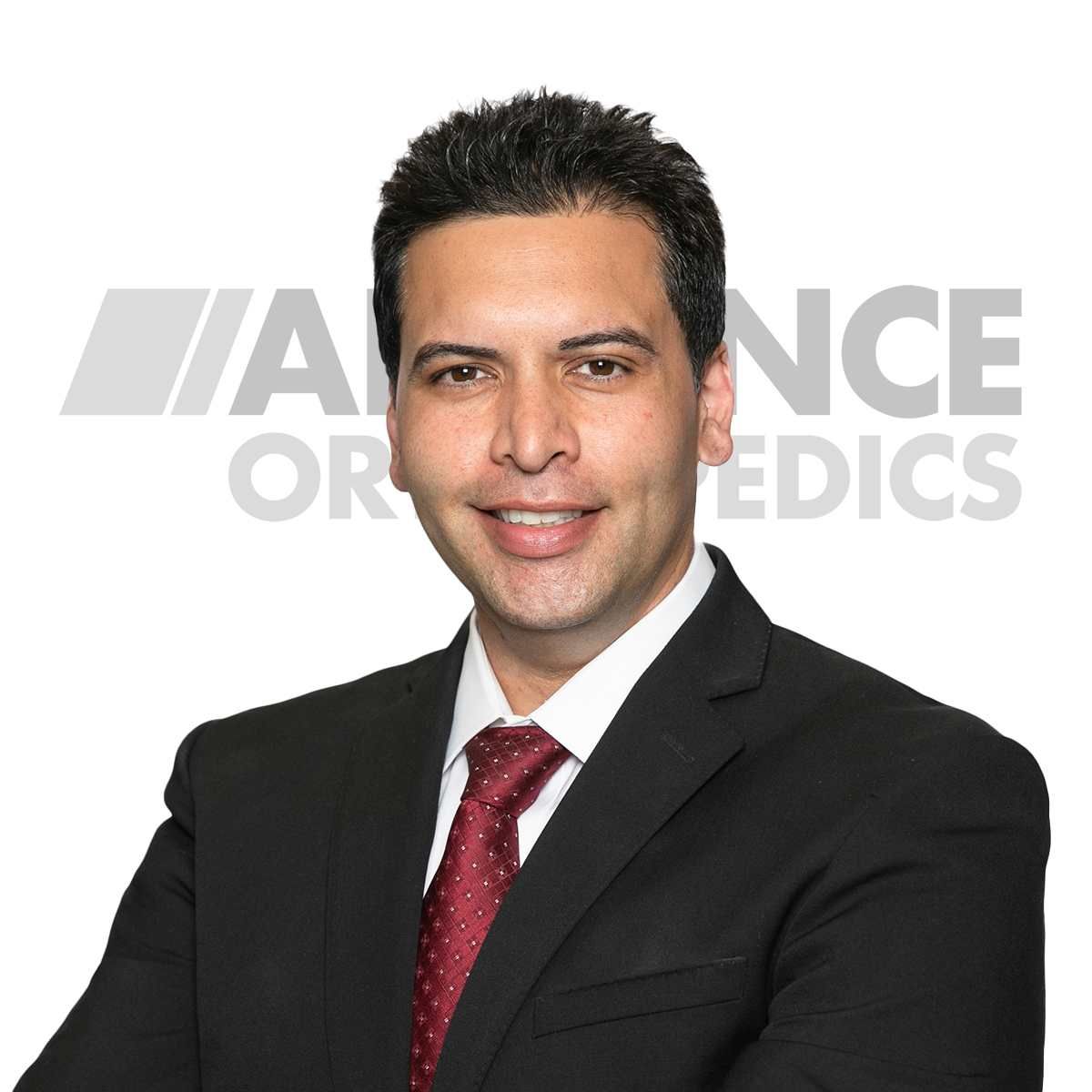
Dr. Vishal Khatri, MD
- Orthopedic Spine Surgeon, Alliance Orthopedics
The Hidden Engine of Movement: Clinical Insights into the Thoracolumbar Fascia and Iliotibial Band
Explore how the thoracolumbar fascia and IT band work together as key drivers of spinal and hip stability. This session blends surgical anatomy with clinical application to reveal how fascial dysfunction contributes to pain and compensation—and how preserving fascia integrity supports faster recovery and better performance outcomes.
By the end of this session, participants will be able to:
- Describe the anatomical structure and functional relationships between the thoracolumbar fascia (TLF) and the iliotibial (IT) band as contributors to spinal and hip stability.
- Identify common patterns of fascial dysfunction within the TLF–IT band system that lead to pain, altered mechanics, and compensatory movement strategies.
- Explain how surgical anatomy findings enhance clinical understanding of force transmission, load sharing, and stabilization across the lumbopelvic region.
- Assess movement and postural presentations that indicate impaired fascial integrity or disrupted myofascial continuity in the TLF–IT band complex.
- Apply evidence-informed interventions—such as targeted loading, isometrics, soft-tissue methods, and movement retraining—to restore optimal tensioning and function of the TLF and IT band.
- Design corrective strategies that support faster recovery, improved performance outcomes, and long-term resilience by preserving fascial health.
Dr. Vishal Khatri is an orthopedic spine surgeon at Alliance Orthopedics in New Jersey, specializing in minimally invasive procedures, degenerative spine care, and recovery from spinal trauma and tumors. A summa cum laude graduate and valedictorian in Biomedical Engineering from The George Washington University, he went on to complete his medical degree there, followed by orthopedic training at Cooper University Hospital and a spine fellowship at the University of Maryland and the world-renowned R. Adams Cowley Shock Trauma Center.
Widely published and an active voice in leading spine societies, Dr. Khatri is an industrious member of the AO Spine, the North American Spine Society, the Scoliosis Research Society, the Philadelphia Orthopedic Society, and the New Jersey Orthopedic Society.
Dr. Khatri is recognized not only for his exceptional surgical skills but also for his warm, individualized approach to spine care. He takes the time to understand each person’s unique situation and is deeply committed to providing the same level of care and compassion he’d want for his own family.
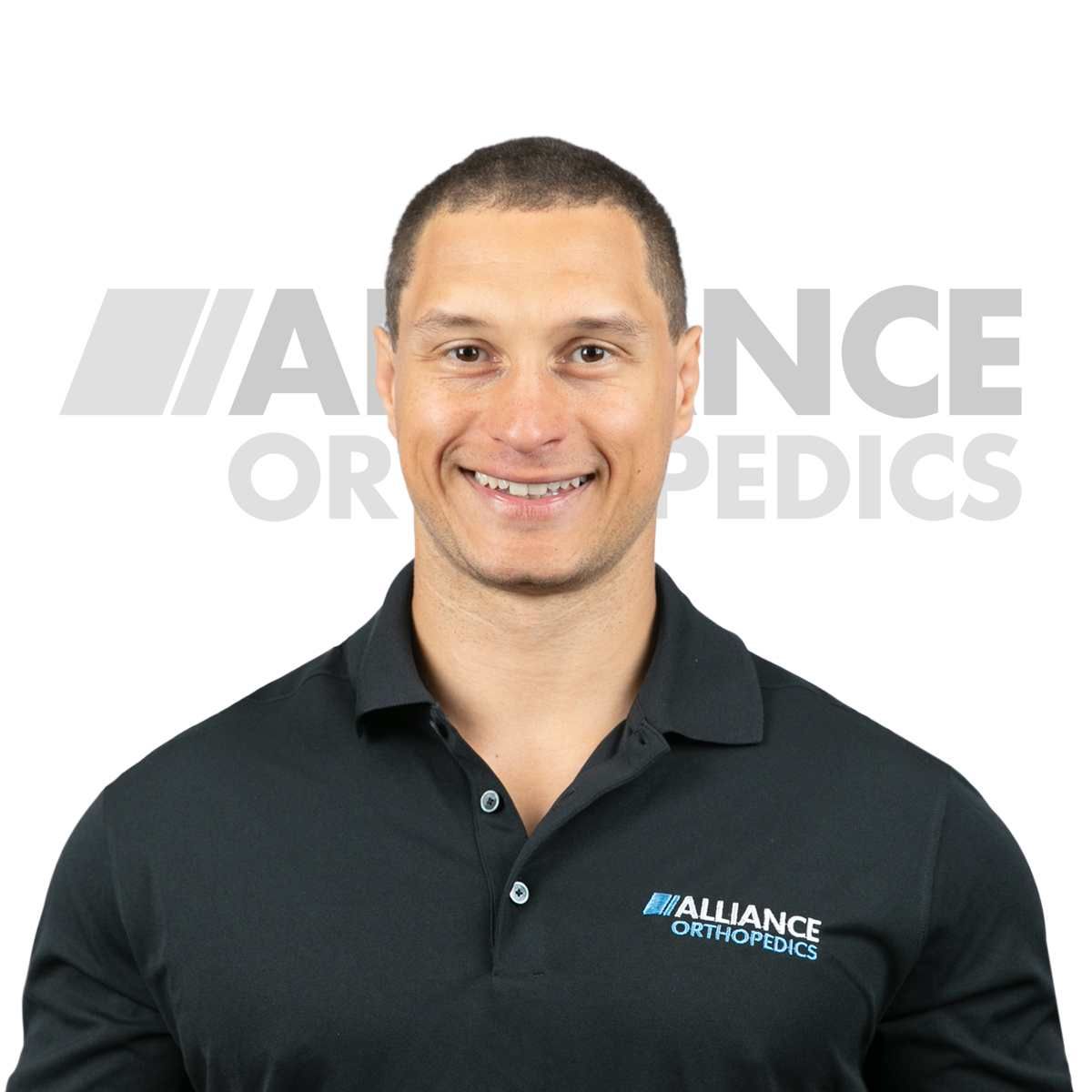
AJ Gaines, PT, DPT, CSCS, TSAC
AJ Gaines, PT, DPT, CSCS, TSAC, USAW, PN-1, FRC, Animal Flow L2, is a physical therapist at Alliance Orthopedics in Freehold, New Jersey, where he has been practicing since 2016.
Dr. Gaines earned both his bachelor’s and doctorate degrees from Saint Francis University. He completed his Bachelor of Science in Exercise Physiology in 2014 and his Doctor of Physical Therapy degree in 2016. His advanced training and certifications include Certified Strength and Conditioning Specialist (CSCS) and Tactical Strength and Conditioning Facilitator (TSAC-F) through the National Strength and Conditioning Association (NSCA), USA Weightlifting (USAW), Precision Nutrition Level 1 (PN-1), Functional Range Conditioning (FRC), Animal Flow Level 2, and certification in dry needling.
Clinically, Dr. Gaines is well-versed in a broad range of evidence-based orthopedic and sports medicine approaches. He regularly integrates techniques such as Graston/IASTM, Maitland and Mulligan manual therapy, and McKenzie-based assessment and treatment. He has specialized experience treating concussions, vertigo and vestibular disorders, and temporomandibular joint (TMJ) conditions, and aims to blend hands-on care with high-level exercise prescription tailored to each patient’s goals.
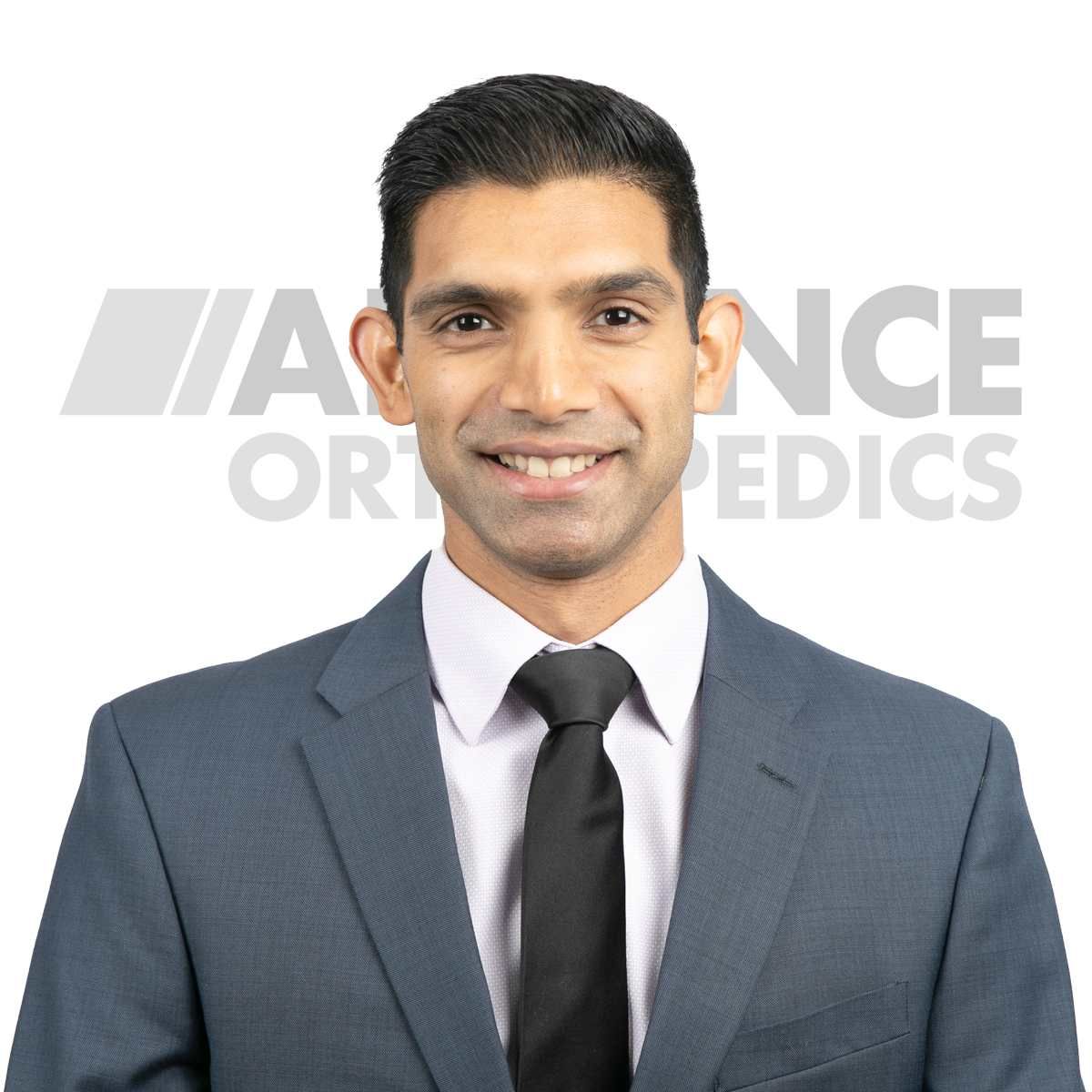
Dr. Michael Thomas
- Foot and Ankle Specialist, Alliance Orthopedics
From Heel Pain to Healing: Mastering the Mechanics and Management of Plantar Fascia Injuries
Understanding the plantar fascia is essential for professionals who work with clients experiencing foot pain, impaired mobility, or overuse injuries. This presentation will equip physical therapists, manual therapists, personal trainers, and coaches with the knowledge to identify early signs of plantar fasciitis, understand its biomechanical causes, and apply effective conservative treatments. Attendees will learn how early intervention can prevent chronic pain and traumatic rupture, helping clients stay active and pain-free.
By the end of this session, participants will be able to:
- Describe the anatomy and biomechanical role of the plantar fascia in foot stability, load distribution, and gait efficiency.
- Identify early clinical and movement-based signs of plantar fasciitis and related overuse conditions.
- Explain the primary biomechanical and lifestyle factors that contribute to plantar fascia irritation, dysfunction, and risk of rupture.
- Assess foot mechanics and movement patterns that predispose clients to plantar fascia stress or impaired mobility.
- Apply evidence-informed conservative interventions—including loading strategies, soft-tissue techniques, and corrective exercise—to reduce pain and restore function.
- Design prevention-focused programs that promote tissue resilience, reduce recurrence, and help clients maintain long-term foot health and activity levels.
Dr. Michael A. Thomas is a double board-certified foot and ankle surgeon at Alliance Orthopedics in New Jersey, known for his compassionate, patient-centered approach and advanced expertise in minimally invasive procedures, arthroscopy, bunion correction, reconstructive surgery, and total ankle replacement. He treats a wide spectrum of foot and ankle conditions including deformities, arthritis, fractures, and soft tissue injuries.
Dr. Thomas completed his Bachelor of Arts in Biology with minors in Business and History, as well as a Master of Science in Pharmaceutical Chemistry at the New Jersey Institute of Technology. He earned his Doctor of Podiatric Medicine from Kent State University College of Podiatric Medicine and completed his residency at Inspira Health Network. He then went on to complete advanced fellowship training at the Rubin Institute for Advanced Orthopedics at Sinai Hospital in Baltimore, focusing on complex deformity correction and orthoplastics.
Dr. Thomas is also a published author and frequent speaker at medical conferences at the local, state, and national level.
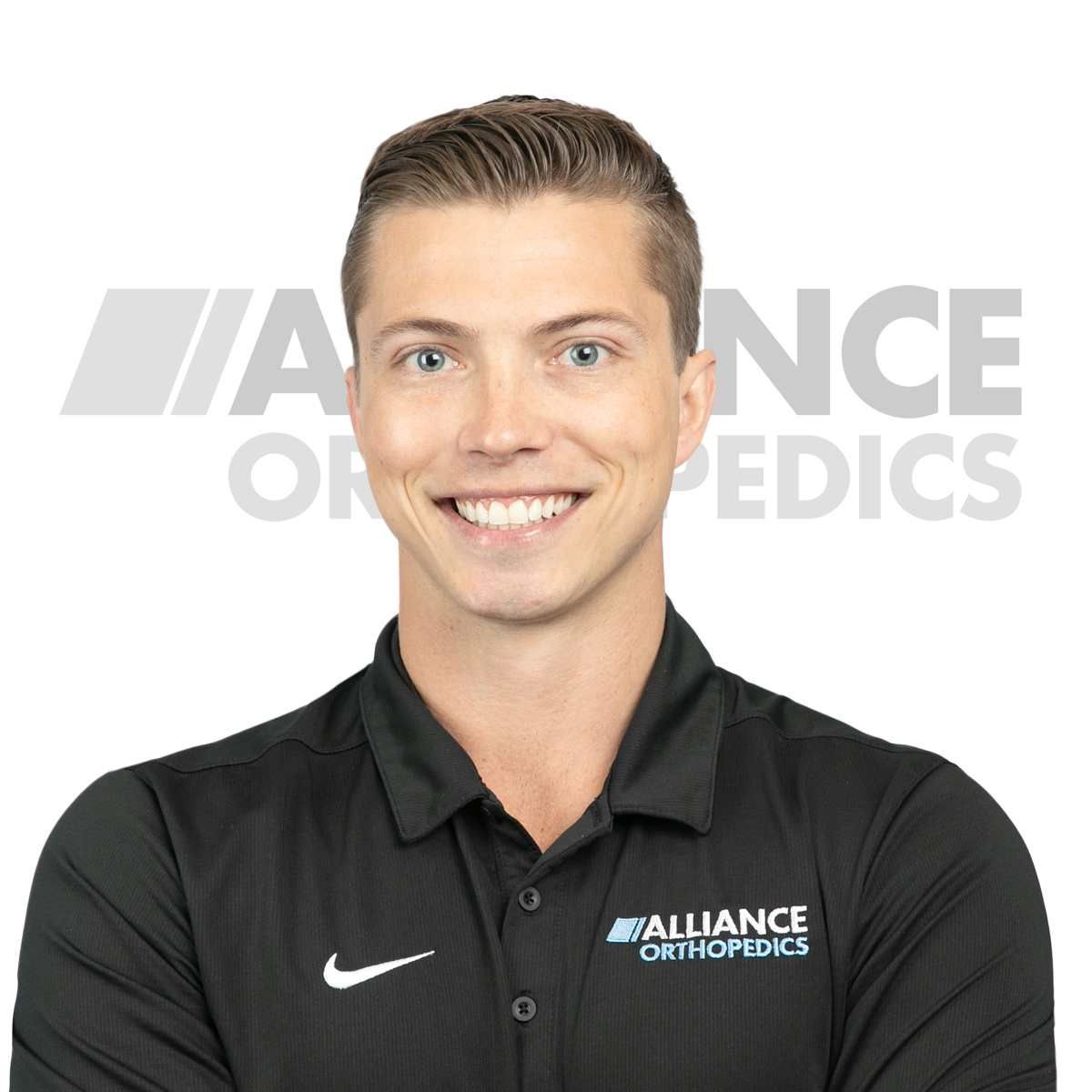
Garrett Rumsby, PT, DPT
Garrett Rumsby, PT, DPT, is a licensed physical therapist at Alliance Orthopedics, serving patients at the Middletown, New Jersey, location. He has a particular passion and expertise for sports-specific training, treating spinal conditions, and guiding a patient from rehabilitation to performance training.
Garrett was the varsity wrestling captain at his high school, igniting his passion for physical therapy. He then completed both his bachelor’s degree in health science, with a minor in business and his Doctor of Physical Therapy at the University of the Sciences in Philadelphia, Pennsylvania. He graduated on the Dean’s List, magna cum laude, and was president of Pi Lambda Phi.
After completing an internship at Bayshore Medical Hospital in Holmdel, New Jersey, Garrett worked at ManorCare Health Services-Wilmington in Wilmington, Delaware, and ProCare Rehabilitation in Howell, New Jersey. Garrett also expanded his skills working with the team at NovaCare Rehabilitation in Willingboro, New Jersey, and Elite Sports Physical Therapy in Tinton Falls, New Jersey.
Garrett is a Certified Strength and Conditioning Specialist®, a Basic Life Support and CPR provider, and is in the process of completing The McKenzie Method® of Mechanical Diagnosis and Therapy® course.
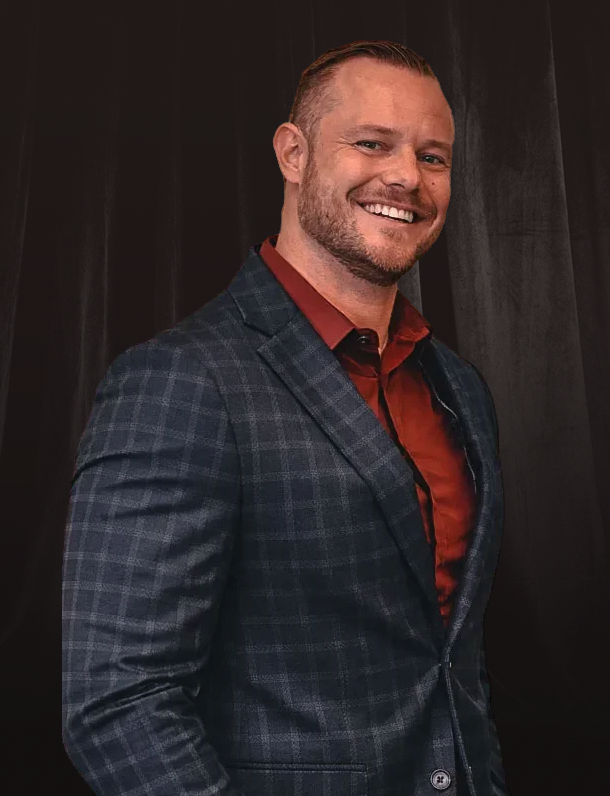
Randy Angsten
Gym Owner’s Unfair Advantage
Most performance facilities try to grow by adding more marketing, more ads, or more promotions. But the facilities that dominate their market do something different—they position themselves so clearly that athletes and parents already believe they are the best choice before the first conversation ever happens.
In this presentation, Randy Angsten will break down the strategic framework behind market dominance, including the five levels of awareness in every marketplace and how the most successful facilities use unique mechanisms and positioning to separate themselves from competitors.
You’ll learn how to move from being “one of the options” in your market to becoming the obvious choice for athletes and parents who want the best results.
Randy Angsten is Tim Lyons Partner at Gym Business Coach (formally ProFit) and a performance coach dedicated to helping gym owners scale with clarity and confidence. With over a decade of experience coaching fitness entrepreneurs, Randy specializes in building systems around mindset, habits, and leadership that drive long-term business success. Through their SpringBoard program and Iron Circle Mastermind, he’s helped hundreds of gym owners reclaim their time, grow revenue, and lead with purpose. He also co-hosts the Gym Business Coaching podcast, offering weekly strategies for gym business growth.
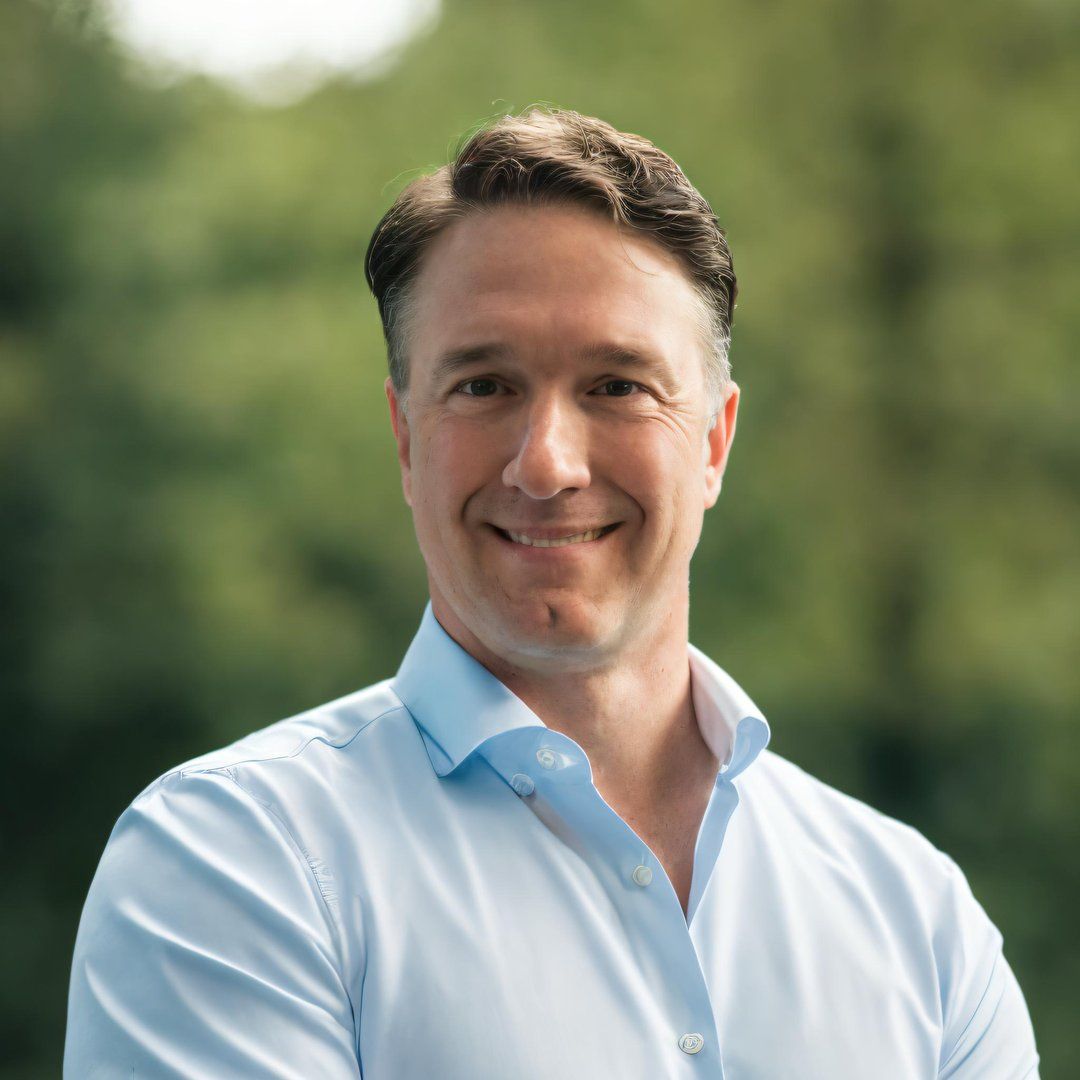
Corey Smallwood
- 27 Years coaching, consulting and owning/operating gyms
AI-Powered Fitness Success
This presentation is designed specifically for gym owners, managers, and trainers who want to explore how AI and ChatGPT can be powerful tools to transform operations, boost marketing impact, enhance programming, and drive revenue growth. Join us for an insightful, high-level introduction with actionable takeaways on integrating AI into your daily workflows—no technical expertise required. Discover how ChatGPT can help you connect with clients, streamline operations, and unlock new growth opportunities, positioning your gym for a dynamic, future-ready fitness experience.

Mateo Lopez
- Co-Founder, Kilo
Turning Attention Into Revenue — Lead Nurture That Actually Converts
This presentation focuses on one of the biggest missed opportunities in youth performance and training businesses today: what happens after a prospect raises their hand.
Most gyms invest time and money into getting attention—social media, ads, referrals, events—but leak revenue because they don’t have a clear, repeatable system for starting conversations, following up, and converting interest into booked appointments and memberships. This session breaks down the real funnel and shows owners how to dramatically increase conversions without spending more on marketing.
The talk walks attendees through:
● The real funnel: Getting attention → starting conversations → closing
● Why speed and persistence matter more than better ads
● How DM’s, SMS, phone calls, and follow-up sequences directly impact revenue
● Simple lead nurture math that shows how small improvements in response time and follow-up can produce outsized financial gains
● Practical scripts and frameworks for DM follow-ups, objection handling, and booking appointments
● How to structure calendars and availability to reduce no-shows and increase close rates
● When to do lead nurture yourself, how to set KPIs, and when to outsource or automate
Ben Quist
- Owner, Form & Fitness
From High Turnover to High Performance: Retention and Hiring Strategies That Actually Work!
Your staff is the greatest asset in your business — and the most expensive mistake when handled poorly.
From hiring the wrong fit to failing to develop and retain top performers, common staffing mistakes can quietly limit your growth and, in some cases, threaten the long-term health of your company.
In this session, you’ll learn practical, real-world strategies you can implement immediately to hire better, develop stronger leaders, and build a team that elevates your program instead of draining it. Walk away with a clear blueprint to protect your most valuable resource and create a culture where great coaches want to stay and grow.
Ben Quist, DPT, CSCS, brings 26 years of experience in the fitness industry. As an owner of 8 locations with over 100 employees and a Parisi franchise owner for 20 years, Ben has built, scaled, and led teams through every stage of growth. He’ll share battle-tested lessons you can apply the very next day.
Your Panel of Parisi Performance Experts
Bill Parisi, CSCS
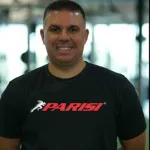
Steve Leo, Parisi Master Coach
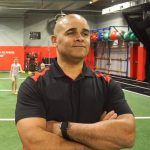
John Cirilo, Parisi Master Coach
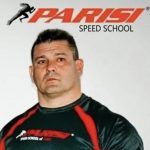
Chad Coy, Parisi Master Coach
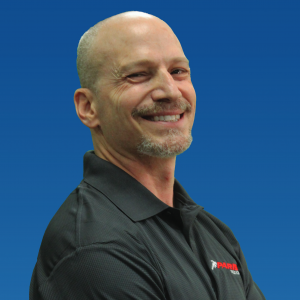
Eric Mitchell, Parisi Master Coach
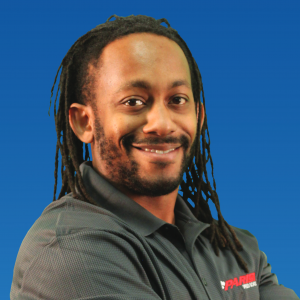
Sully Parker, Parisi Master Coach
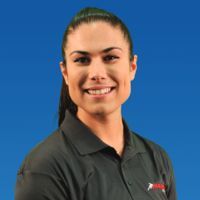
Liz Madden, Parisi Master Coach

Katalin Rodriguez-Ogren, Parisi Master Coach
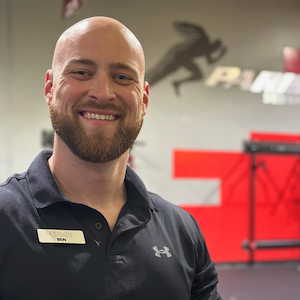
Ben Jones, Parisi Associate Master Coach
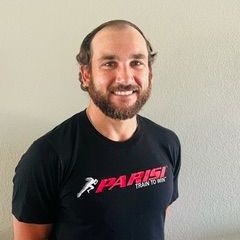
Kyle Harper, Parisi Associate Master Coach
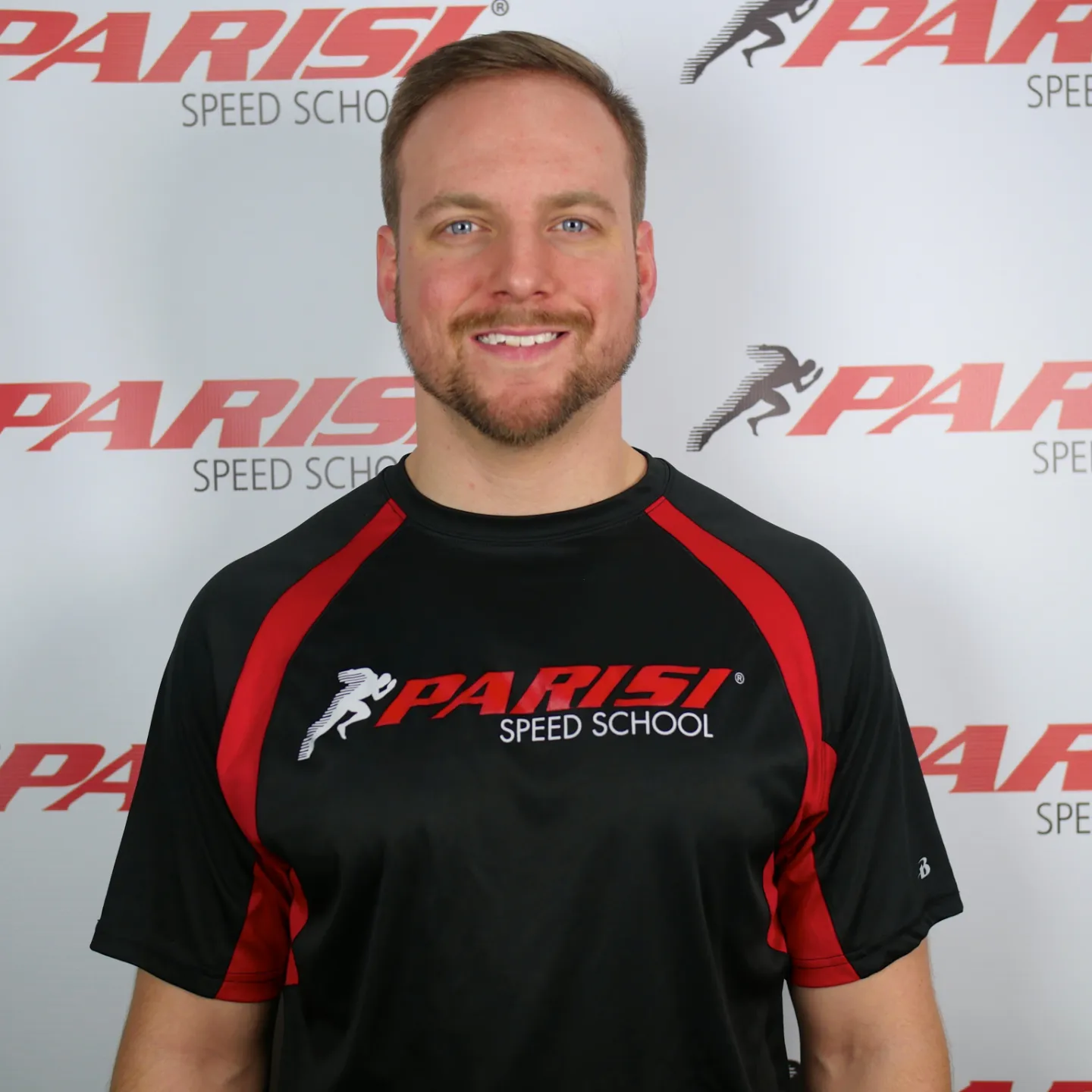
Dan Stickna, Parisi Associate Master Coach
Supporting Sponsors